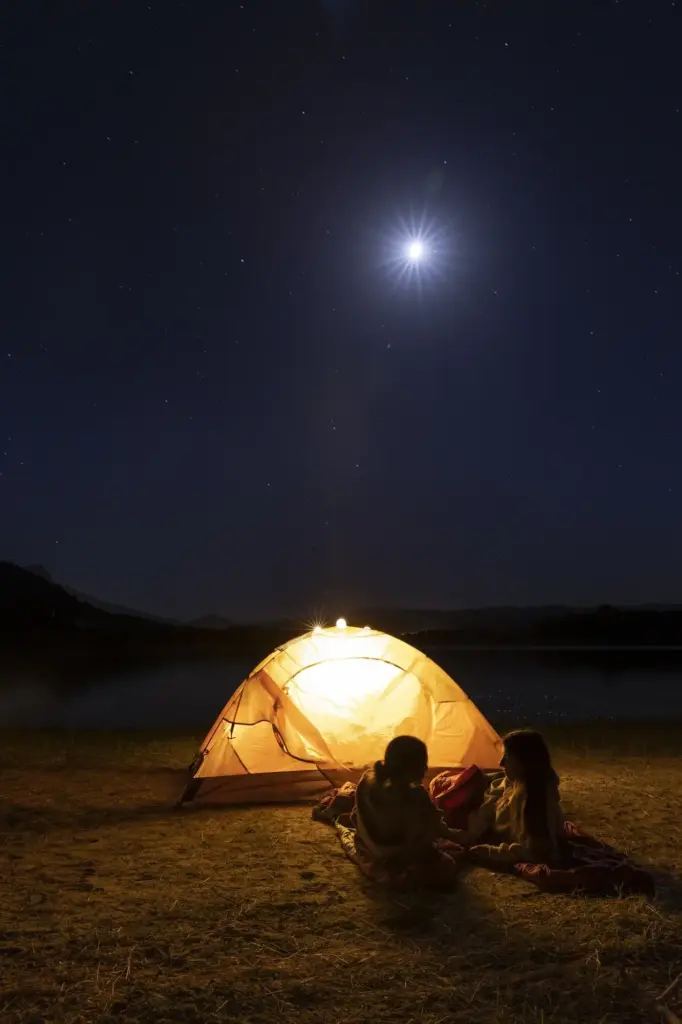
Camp Under the Stars, Welcome the Wild
Start With the Land: Reading Your Backyard’s Story
Dusk-to-Dawn Observation
Spend two or three evenings simply watching. Where do robins forage before sunset? Which corner hosts crickets and toads after dark? Note how streetlights spill or shadows pool, and discover quiet windows when wildlife moves most. A little patience reveals natural rhythms, helping you set up sleeping areas and pathways that respect travel corridors, breeding behavior, and nightly feeding habits without turning your space into a stage.
Mapping Microhabitats
Sketch a simple map of shrubs, trees, garden beds, brush piles, and open lawn. Mark damp spots, sunny nooks, and sheltered corners shielded from wind. These microhabitats guide where to place your cooking area, hammock anchors, and observation seats. By aligning cozy human comforts near edges rather than busy wildlife hubs, you reduce disturbance, improve your own sightings, and let every corner keep its identity and purpose through the changing seasons.
Quiet Core, Gentle Edges
Choose a calm center for rest and reflection, then build gentle activity around its edges. Keep footsteps soft near nesting sites and food sources, while routing conversations, games, and late-night cocoa toward sturdier zones. Strategic arrangement turns your backyard into concentric rings that naturally dampen noise, protect movement routes, and let sensitive residents feel safe enough to pass within view, rewarding your patience with magical, unforced encounters.
Plant Layers That Feed, Shelter, and Delight
Canopy and Understory Harmony
Pollen, Nectar, and Night-Blooming Allies
Groundcover, Leaf Litter, and Brush Havens
A Pond or Basin Designed for Escapes
Hollows, Logs, and Purpose-Built Homes
Paths and Fences That Welcome Passage
Comfort That Leaves Only Soft Footprints
Seating, Sleep, and Minimal Ground Disturbance
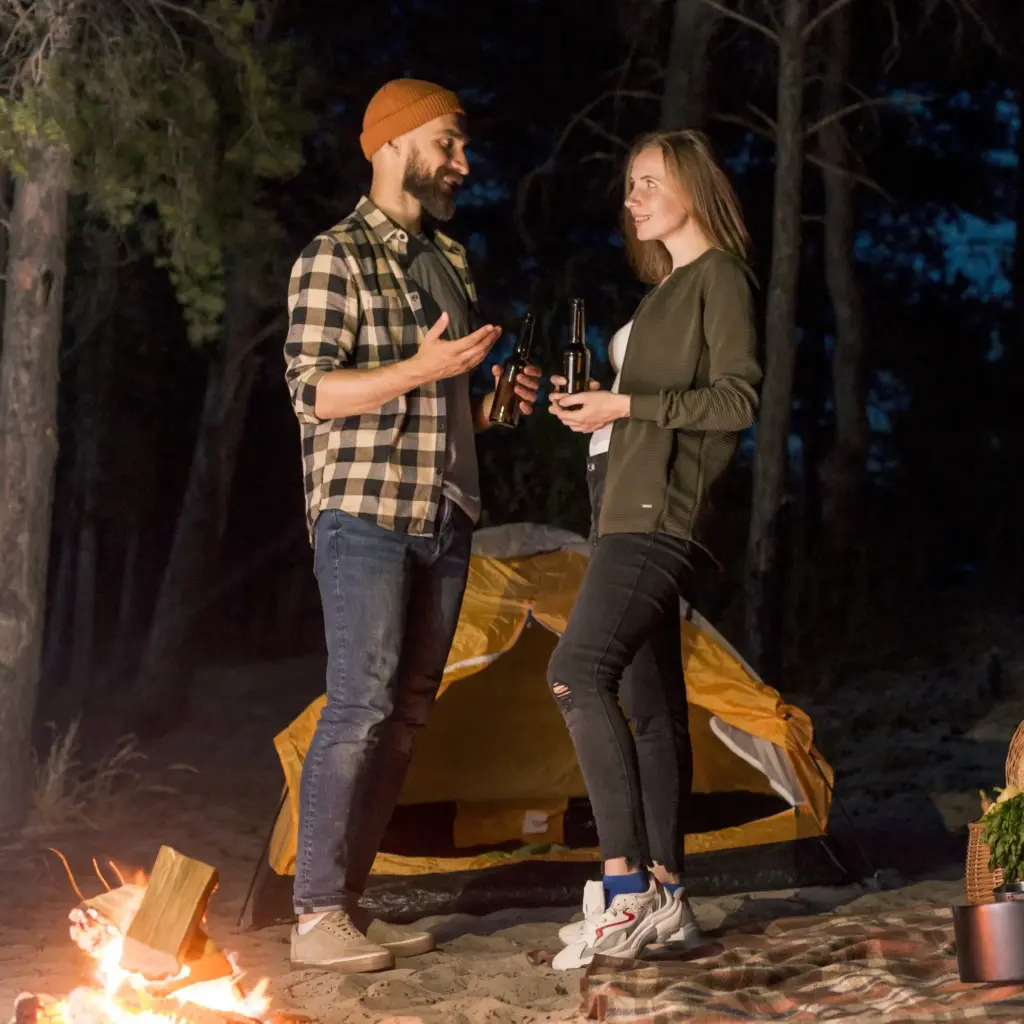
Opt for folding chairs with wide feet and ground-friendly platforms for cooking. Hammocks, when anchored to healthy trunks with broad straps, keep soil and understory intact. Rotate sleeping spots occasionally to let grass rebound. Treat your campsite like a guest room in an ancient house: every surface tells a story, and your goal is to leave it legible, beautiful, and ready for tomorrow’s visitors, winged or otherwise.
Warmth and Light Without Startling Visitors
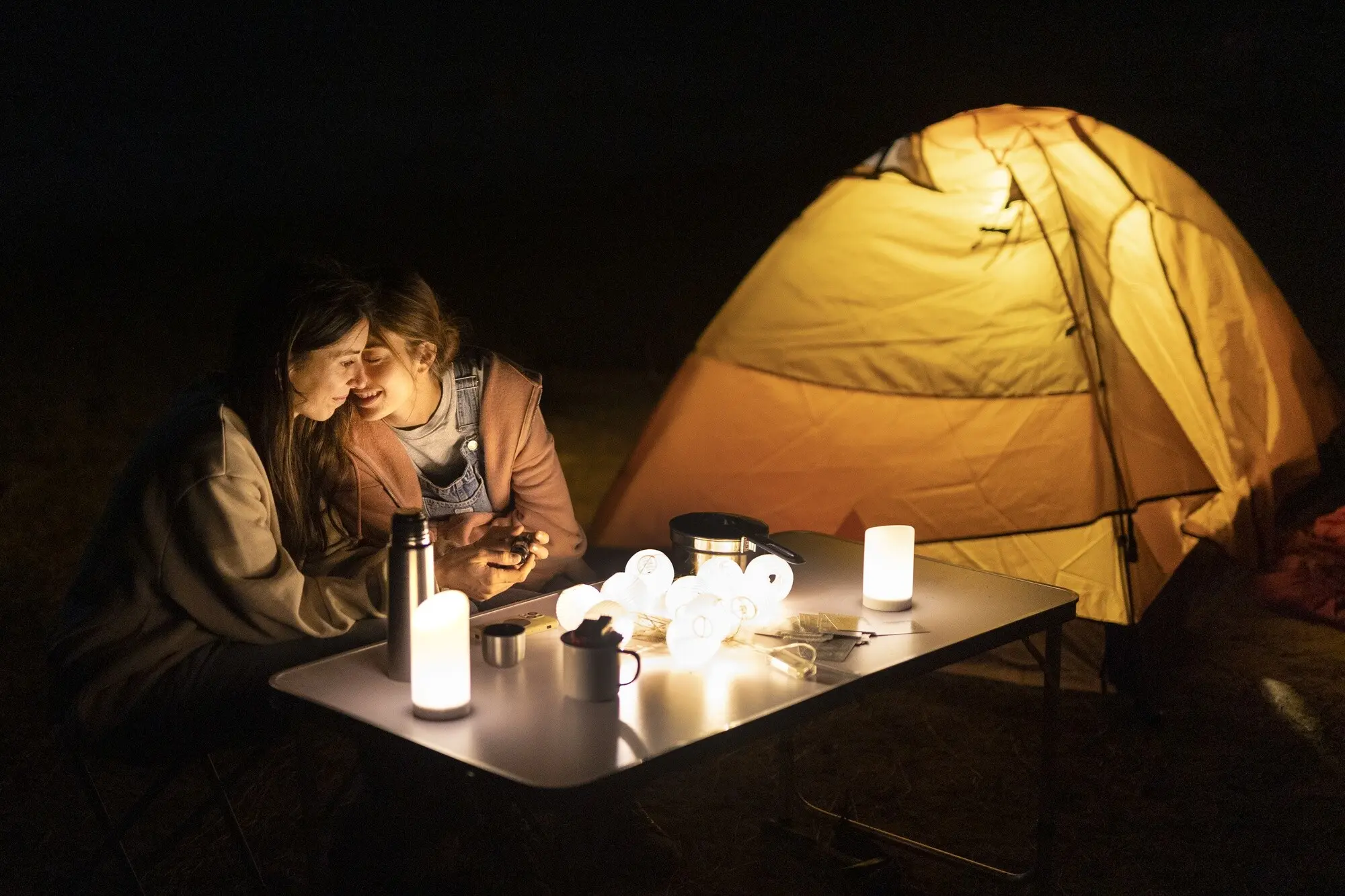
Choose warm-colored lights to protect nocturnal navigation and keep brightness low and focused. Shield beams away from flight paths and treetops, and favor lanterns over floodlights. Trade constant chatter for companionable hush, letting crickets and owls score the evening. If you use a contained flame device, keep it small, safe, and brief. You will be amazed how quickly shy neighbors return when the night remains softly lit.
Cooking Smells, Food Storage, and Waste Control
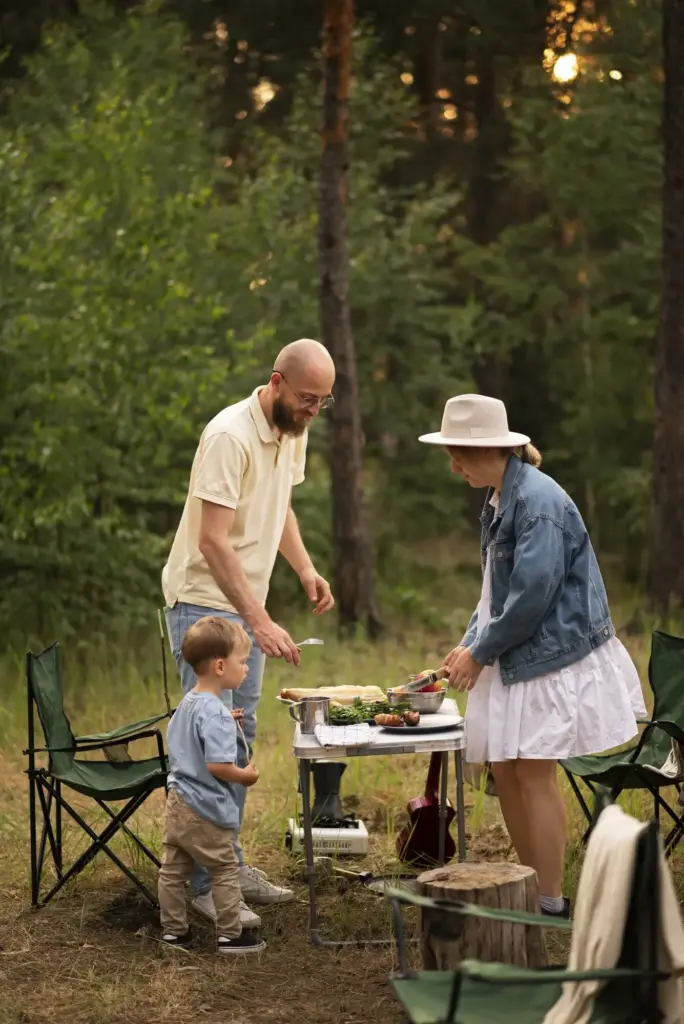
Cook simple meals quickly, manage aromas with lids, and clean cookware immediately. Store food in sealed containers away from sleeping areas to avoid tempting clever raccoons or opportunistic rodents. Compost thoughtfully or pack scraps out if local conditions require. The quieter your buffet, the more natural your visitors’ behavior remains. Share your favorite wildlife-safe recipes and storage tricks so our circle keeps learning delicious, considerate habits together.

Coexistence, Safety, and Respect
After Dark: Listening, Stargazing, and Simple Science
Soundwalks and Storytelling Under Constellations
Moths, Bats, and Respectful Light Experiments
Field Notes, Cameras, and Sharing Discoveries