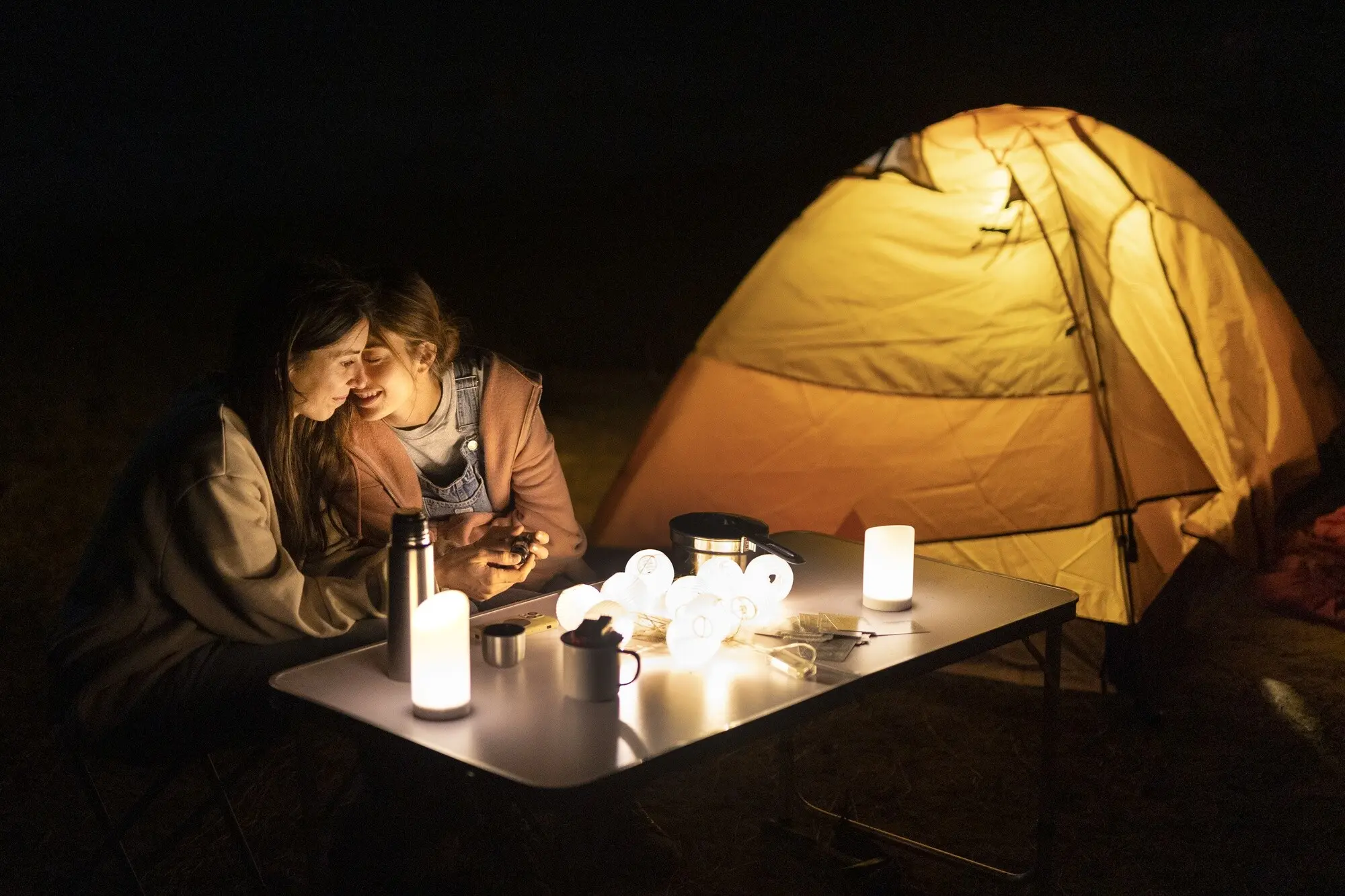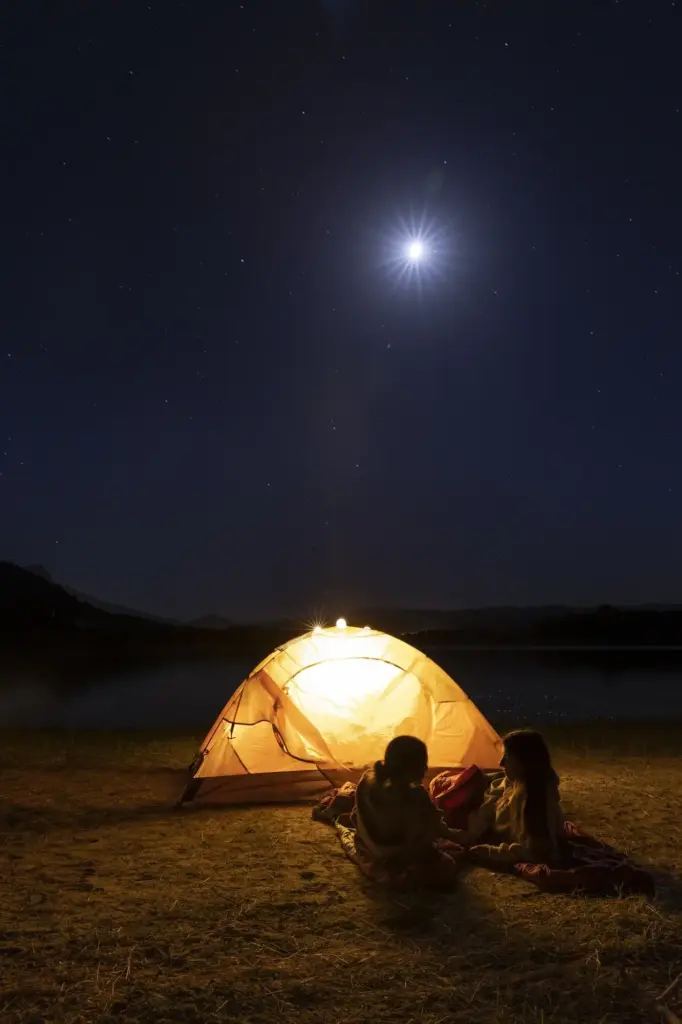
Backyard Campfire, Infinite Sky

Tonight we dive into Stargazing Nights: Backyard Campout Astronomy for Beginners, guiding you from a cozy lawn chair to confident skywatcher. We will help you pick the perfect spot, understand sky landmarks, and enjoy bright planets and gentle constellations. Bring a thermos, your curiosity, and a sense of wonder, because small, well-planned steps can turn one backyard evening into a lifelong ritual of calm, discovery, and shared stories beneath shimmering stars.

Set the Camp, Set Your Sights

Begin with comfort and darkness so your eyes and imagination can travel farther. Choose a forgiving chair, a warm blanket, and a red-shaded light to protect night vision. Ask neighbors to dim porch lights, silence sprinklers, and mind motion sensors. Give your eyes twenty to thirty minutes to adjust, then breathe, slow down, and notice how the sky deepens with detail when you patiently let it reveal itself rather than rushing toward instant results.

Learn the Sky’s Landmarks

Like any landscape, the sky becomes friendly once you know its signposts. In northern latitudes, the Big Dipper guides you to Polaris; in the south, the Southern Cross helps orientation. Bright stars such as Vega, Arcturus, and Betelgeuse form recognizable patterns that return each year. Learn the Summer Triangle, the Winter Hexagon, and asterisms like the Teapot, then connect stories to shapes. Memory loves narratives, and narratives turn scattered lights into a navigable map.

01

Find North Without a Compass

Extend the Big Dipper’s pointer stars to locate Polaris, which sits roughly above geographic north for northern observers, its height mirroring your latitude. If you live far south, use the Southern Cross and its longer axis to approximate south. Trace imaginary lines with a relaxed hand, not a strained gaze. Once oriented, you can predict star paths, appreciate seasonal arcs, and plan observations so objects drift helpfully into your field of view.

02

Name a Handful of Constellations Tonight

Choose only a few patterns to master, anchoring them with tales. Orion’s belt points to Sirius; Cassiopeia’s W shape is a year-round northern companion; Scorpius hugs the southern horizon in warm months. Speak their names aloud, sketch rough shapes, and add colored notes. Stories about hunters, queens, and scorpions give your brain playful hooks. Over time, those playful hooks become reliable guides leading you easily to deeper, subtler celestial treasures.

03

Move With the Seasons, Not Against Them

The sky is a slow parade. Accept its rhythm and let your plans follow it. In summer, trace the Summer Triangle and sweep star fields with binoculars; in winter, follow Orion’s rising shoulders. Autumn teases Andromeda overhead, while spring opens galaxy country. Keep a seasonal checklist, not as pressure, but as an invitation. Familiarity grows when expectations match the calendar, helping you see more in less time with calmer, more appreciative attention.

Simple Tools That Supercharge Curiosity

You can begin with just eyes and patience, yet a few modest tools multiply delight. Binoculars reveal star clusters, lunar craters, and Jupiter’s moons without complex setup. A paper planisphere or printed chart trains your map sense when phones distract. Apps with red mode, airplane mode, and offline data help responsibly. A red flashlight, pencil, and notebook complete a clean, quiet kit, encouraging thoughtful notes you will cherish as your skills mature.

Binoculars Before Telescopes

Start with 7×50 or 10×50 binoculars for bright, steady views and generous fields. Brace your elbows on knees, or lean against a wall to reduce shake. Watch Jupiter’s four Galilean moons shift nightly. Sweep along the Milky Way for glittering clusters. Binoculars teach star-hopping, build confidence, and travel easily to parks, rooftops, or campsites. When a telescope finally arrives, you will already know where to aim and what delights to expect.

Apps, Maps, and Old-School Charts

Install a reputable starmap app, enable night mode, and download offline constellations. Turn off notifications to protect attention and eyes. Pair digital help with a planisphere or printed chart so you can learn patterns without screens. Paper resists dew better than you think when protected in a plastic sleeve. Switching occasionally between chart and sky anchors memory. Over weeks, your brain builds a reliable internal map that outlasts any battery level.

Moonlight and Planet Close-Ups

The Moon and planets are bright, forgiving, and endlessly varied. Crescents highlight rugged shadows, while first quarter offers spectacular contrast along the terminator. Jupiter changes nightly as moons dance. Saturn’s rings thrill in small scopes, while binoculars suggest its oval shape. Venus dazzles as a brilliant crescent near dawn or dusk, and Mars blooms during opposition. Plan short, focused looks, record impressions, and compare them later; you will notice growth you did not expect.

Follow the Moon’s Changing Face

Avoid full Moon when chasing faint nebulae, but embrace it for storytelling walks and bright craters. Near first quarter, explore Tycho’s rays, Copernicus’s terraces, and the delicate wrinkle ridges. Trace the terminator slowly; details jump when your eyes relax. Sketch shadows rather than outlines. On thin crescents, seek Earthshine softly illuminating the darkened hemisphere. That delicate glow connects Earth and Moon in a single, unforgettable portrait of reflected light and gentle geometry.

Jupiter’s Dazzling Family Parade

With binoculars or a small telescope, watch Io, Europa, Ganymede, and Callisto change positions hour by hour. Sometimes a moon vanishes in eclipse; sometimes it parades in front. Note times and draw dots, building a personal ephemeris. Bands on the planet become easier with patience and steady breathing. The first time you identify all four moons unaided by software, you will feel a pioneer’s joy stirred by simple optics and careful attention.

Saturn, Venus, and Fiery Mars

Saturn’s ring system can appear as tiny ‘ears’ in handheld binoculars and becomes unmistakable in even modest telescopes. Venus, often the brightest evening or morning beacon, shows phases like a tiny Moon. Mars shines fiercest near opposition, when its orange disk swells. Accept atmospheric wobble and wait for moments of steadiness. Those brief, crystalline instants reward patience, revealing detail your hurried eyes would miss entirely on a gusty, restless night.

First Deep-Sky Wonders From a Lawn Chair
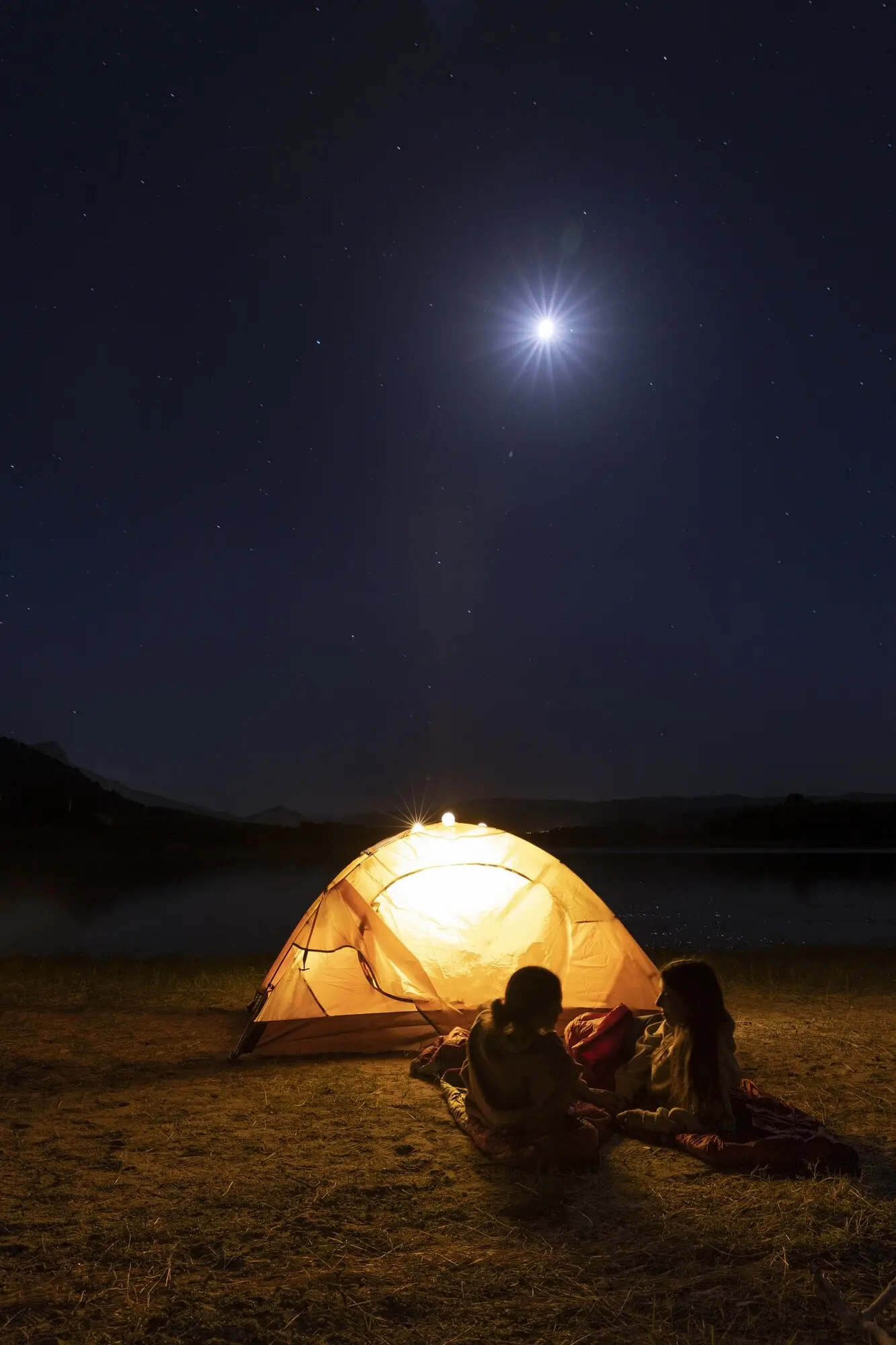
Faint, ancient light arrives quietly, asking for dark-adapted eyes and unhurried attention. The Pleiades sparkle like frosted diamonds in binoculars, while the Orion Nebula glows as a gentle cloud sheltering newborn stars. Andromeda stretches as an oval haze, a neighboring island galaxy visible from decent darkness. Use averted vision, breathe slowly, and let details emerge. Learn the Bortle scale to understand sky quality and choose nights that make subtle targets sing.

Meteor Showers Make Easy Events

Plan for the Perseids in August or Geminids in December, but also chase smaller showers when skies cooperate. Lie back, face forty-five degrees from the radiant, and count together. No equipment required—only patience, warm layers, and low light. Arrive before midnight, stay if possible after, and log rates. Even a handful of streaks creates shared excitement and a perfect excuse to invite newcomers who think astronomy demands complicated gear or impossible expertise.

Capture Moments Without Fancy Gear

Mount your smartphone on a stable tripod, enable night mode or long exposure, and use a timer to avoid shake. Compose with a tree, tent, or friendly silhouette for context. Take several short exposures and stack them in-app or later. Lower screen brightness and keep red mode engaged. Share results and process notes with our community, ask for feedback, and celebrate improvement over perfection. The sky forgives awkward attempts when enthusiasm remains sincere.
Kentotemifexo
Privacy Overview

This website uses cookies so that we can provide you with the best user experience possible. Cookie information is stored in your browser and performs functions such as recognising you when you return to our website and helping our team to understand which sections of the website you find most interesting and useful.