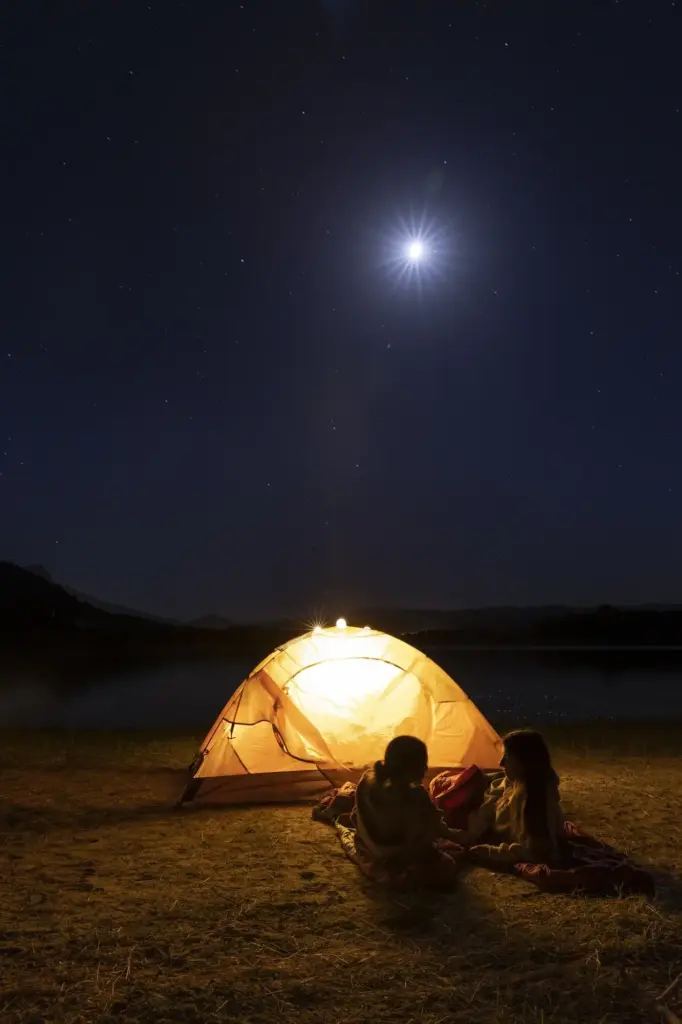
Backyard Campfire, Infinite Sky
Set the Camp, Set Your Sights

Learn the Sky’s Landmarks
01
Find North Without a Compass
Extend the Big Dipper’s pointer stars to locate Polaris, which sits roughly above geographic north for northern observers, its height mirroring your latitude. If you live far south, use the Southern Cross and its longer axis to approximate south. Trace imaginary lines with a relaxed hand, not a strained gaze. Once oriented, you can predict star paths, appreciate seasonal arcs, and plan observations so objects drift helpfully into your field of view.
02
Name a Handful of Constellations Tonight
Choose only a few patterns to master, anchoring them with tales. Orion’s belt points to Sirius; Cassiopeia’s W shape is a year-round northern companion; Scorpius hugs the southern horizon in warm months. Speak their names aloud, sketch rough shapes, and add colored notes. Stories about hunters, queens, and scorpions give your brain playful hooks. Over time, those playful hooks become reliable guides leading you easily to deeper, subtler celestial treasures.
03
Move With the Seasons, Not Against Them
The sky is a slow parade. Accept its rhythm and let your plans follow it. In summer, trace the Summer Triangle and sweep star fields with binoculars; in winter, follow Orion’s rising shoulders. Autumn teases Andromeda overhead, while spring opens galaxy country. Keep a seasonal checklist, not as pressure, but as an invitation. Familiarity grows when expectations match the calendar, helping you see more in less time with calmer, more appreciative attention.
Simple Tools That Supercharge Curiosity

Binoculars Before Telescopes

Apps, Maps, and Old-School Charts
Moonlight and Planet Close-Ups
Follow the Moon’s Changing Face
Avoid full Moon when chasing faint nebulae, but embrace it for storytelling walks and bright craters. Near first quarter, explore Tycho’s rays, Copernicus’s terraces, and the delicate wrinkle ridges. Trace the terminator slowly; details jump when your eyes relax. Sketch shadows rather than outlines. On thin crescents, seek Earthshine softly illuminating the darkened hemisphere. That delicate glow connects Earth and Moon in a single, unforgettable portrait of reflected light and gentle geometry.
Jupiter’s Dazzling Family Parade
With binoculars or a small telescope, watch Io, Europa, Ganymede, and Callisto change positions hour by hour. Sometimes a moon vanishes in eclipse; sometimes it parades in front. Note times and draw dots, building a personal ephemeris. Bands on the planet become easier with patience and steady breathing. The first time you identify all four moons unaided by software, you will feel a pioneer’s joy stirred by simple optics and careful attention.
Saturn, Venus, and Fiery Mars
Saturn’s ring system can appear as tiny ‘ears’ in handheld binoculars and becomes unmistakable in even modest telescopes. Venus, often the brightest evening or morning beacon, shows phases like a tiny Moon. Mars shines fiercest near opposition, when its orange disk swells. Accept atmospheric wobble and wait for moments of steadiness. Those brief, crystalline instants reward patience, revealing detail your hurried eyes would miss entirely on a gusty, restless night.
First Deep-Sky Wonders From a Lawn Chair
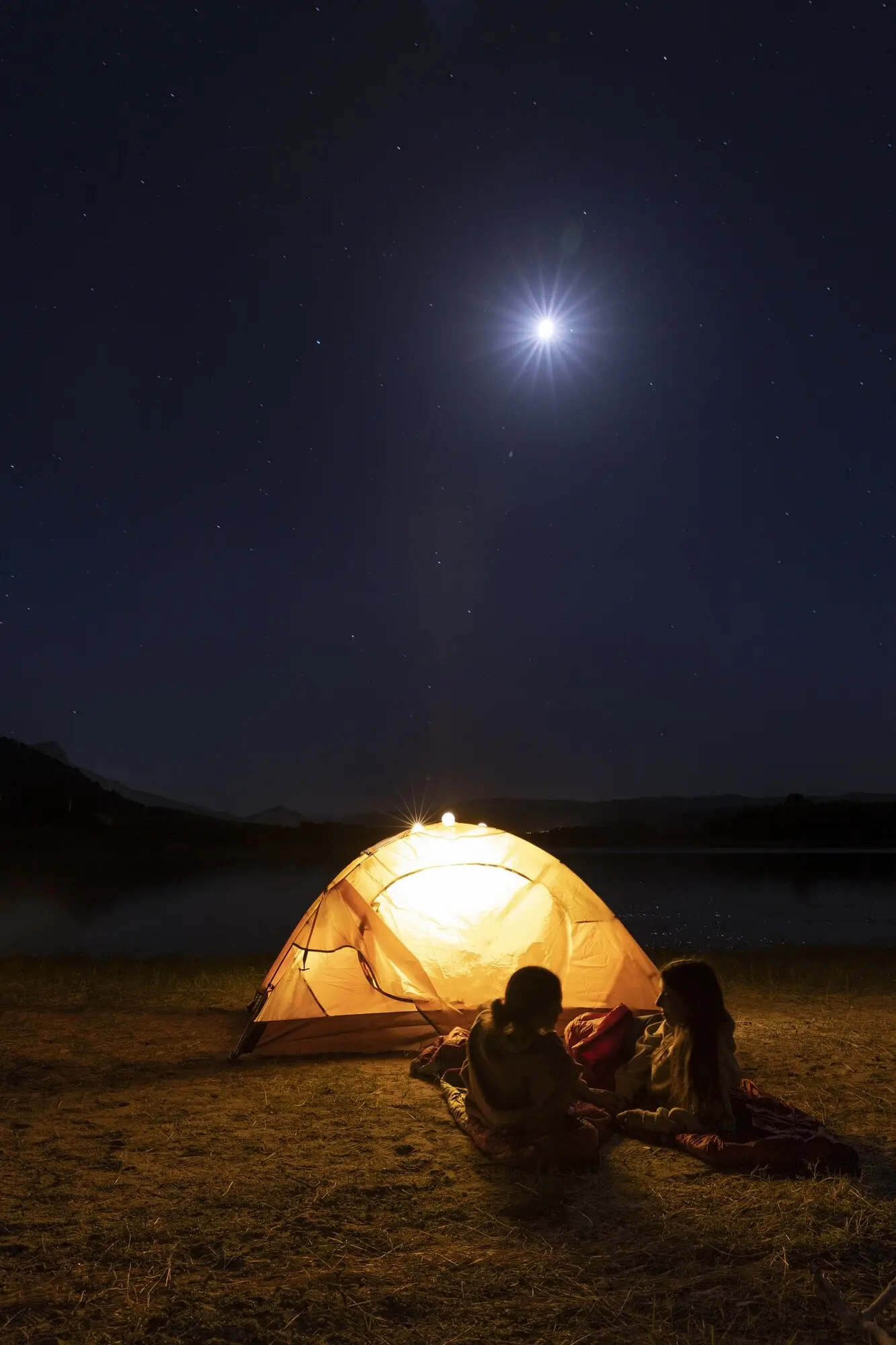
Meteor Showers Make Easy Events
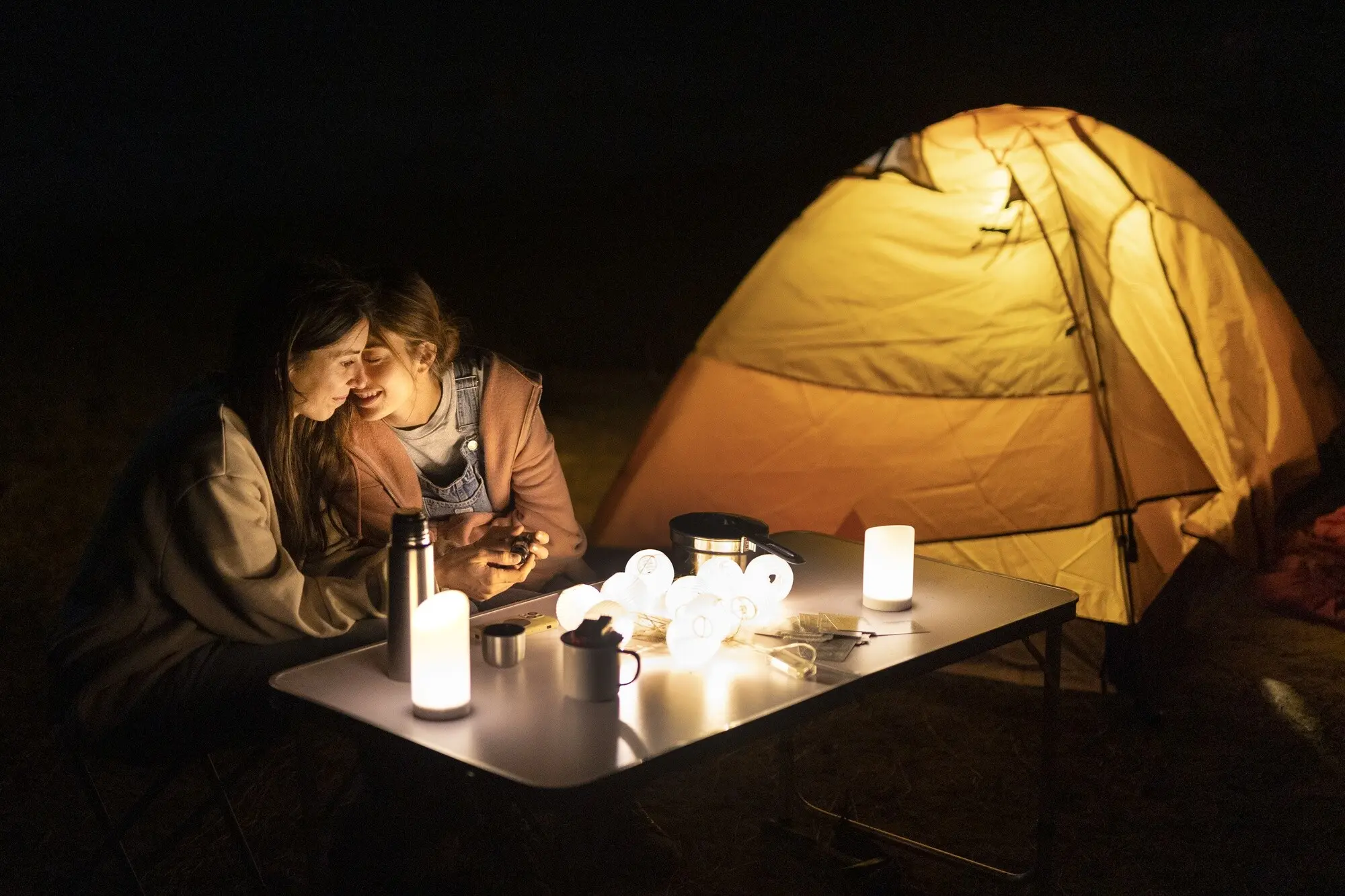
Capture Moments Without Fancy Gear